Ecuador returns to the polls in an atmosphere of uncertainty and unresolved issues
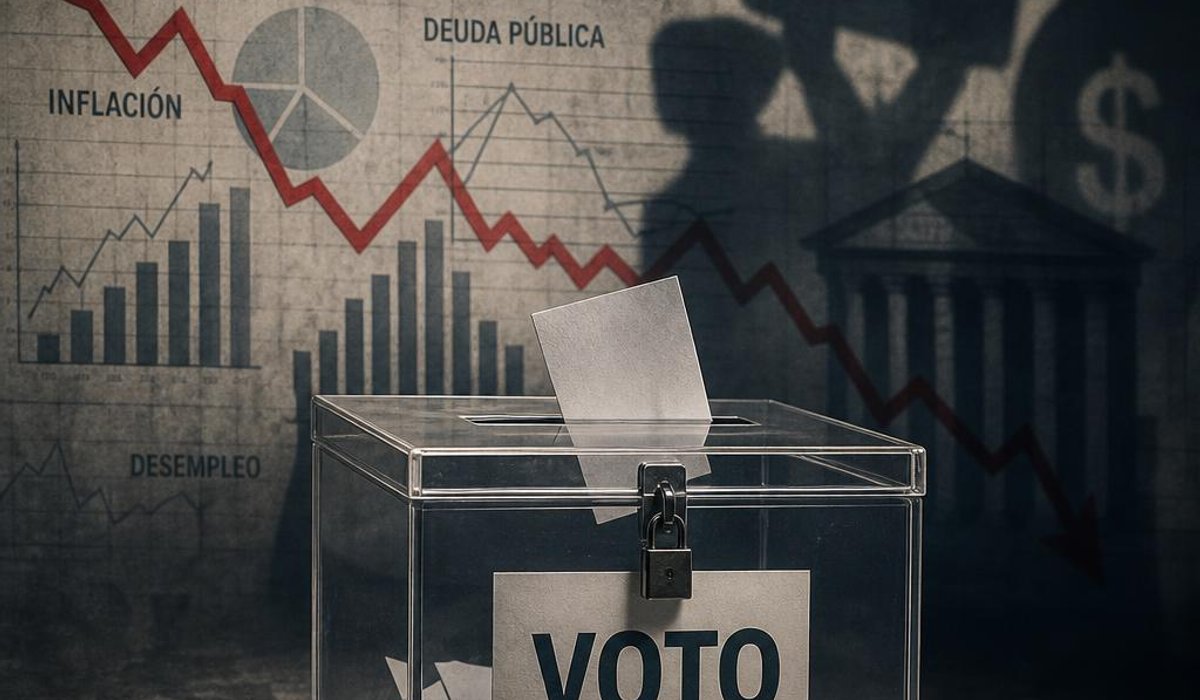
Simón Ordóñez warns of links to drug trafficking in 15% of candidates for sectional elections; Pablo Lucio Paredes highlights economic growth exceeding projections.
On November 22, 2026, sociologist Simón Ordóñez pointed out that about 15% of the more than 51,000 candidates for the sectional elections — to be held on November 29 — face judicial processes or complaints for links to drug trafficking or crimes such as money laundering, an indicator that reveals the ethical deterioration of the local political system.
Pablo Lucio Paredes, director of the Economics Institute at USFQ, highlighted that the Ecuadorian economy has grown “a little more than forecasts say” in the past year, estimating an expansion between 3% and 3.5%, a sign of economic resilience despite political tensions.
Ordóñez also warned about “political cannibalism” and the use of control bodies for political persecution, practices that discourage professional profiles capable of solving the challenges the country faces.
This context marks the beginning of an electoral contest with high doses of uncertainty, where institutional tensions and ethical questions take center stage alongside signs of economic growth.