Transparency in the administration of justice is one of the fundamental pillars of a rule of law, as it allows citizens to know how judicial procedures are carried out, verify the actions of authorities, and exercise their rights in an informed manner. In Ecuador, the incorporation of technological tools in the judicial system has facilitated the consultation of information related to cases, orders, resolutions, and other procedural actions. Among these tools are the Automatic Ecuadorian Judicial Procedure System (SATJE) and the judicial information management platforms identified as SIAF Mini.
However, when certain data no longer appears in public queries, is not up to date, or has access restrictions, questions arise about the causes of this situation, its effects on users, and the guarantees that must be respected to maintain a transparent administration of justice. The so-called hiding of data must be carefully analyzed, as not all information that is no longer publicly available implies irregular behavior. In some cases, restrictions may respond to legal provisions related to the protection of personal data, privacy, people's security, or the confidentiality of certain judicial actions.
The problem arises when the lack of information does not have a clear justification, hinders the monitoring of a process, or prevents a person from accessing the data they need to exercise their rights. This situation can generate uncertainty among lawyers, parties to a case, law students, and citizens who use the platforms to know the status of a case.
For this reason, it is necessary to examine the operation of these systems, the possible causes of the lack of visibility of information, the legal and social consequences of restrictions, and the Ecuadorian regulations that govern transparency, the publicity of processes, and the protection of personal information. The objective is to understand how a balance can be guaranteed between access to judicial information and the protection of fundamental rights, thus strengthening citizen confidence in the justice institutions.
2. What are SATJE and SIAF Mini?
2.1. Automatic Ecuadorian Judicial Procedure System (SATJE)
SATJE is a technological tool linked to the management and consultation of information on judicial processes in Ecuador. Its importance lies in allowing access to procedural information available through services enabled by the Judiciary Council. Depending on the case, the subject matter, and the available functionalities, users can consult process identification data, procedural actions, orders, and other references related to their processing.
The use of judicial consultation platforms helps reduce barriers to access to information, as it allows for certain verifications to be made without the need to physically go to a judicial office. It also facilitates the work of legal professionals, who need to know the procedural actions to prepare documents, verify decisions, and monitor the cases in which they are involved.
However, the information that appears in a public query does not necessarily represent the entirety of the judicial file. There may be documents that require authorized access, actions subject to legal confidentiality, or data protected by specific regulations. Therefore, it is important to differentiate between the public consultation of a case and the comprehensive access to the file by those who are legally authorized.
The concealment of data in the SATJE and SIAF
4 min de lectura
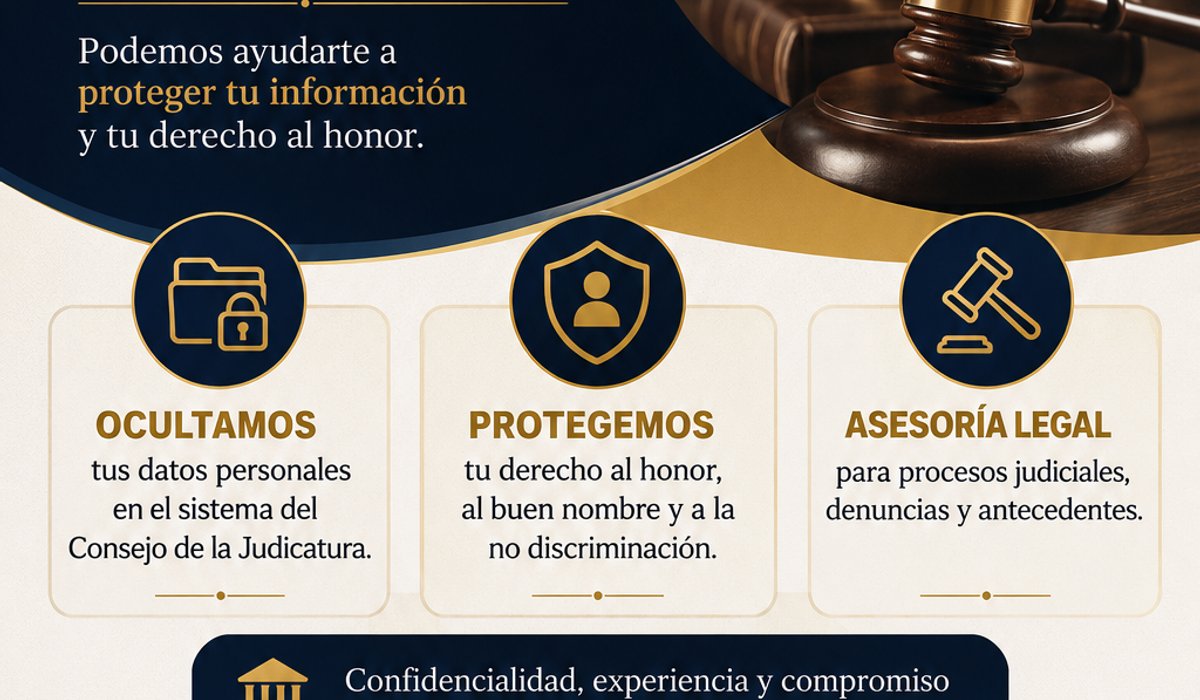
The concealment of data (SATJE) and (SIAF) has raised concerns about the transparency of the administration of justice in Ecuador and access to judicial information. The goal is to promote an informed debate on institutional transparency, responsible use of information, protection of fundamental rights, and timely access to judicial information.